
Side Effects of Braces: What to Expect
Side effects of braces are usually temporary changes you notice after the braces go on or after an adjustment. Teeth can feel sore, cheeks can rub on a bracket, and eating or speaking can feel different for a few days. Those effects are common. They are not the same as a broken wire, a sore that will not heal, or pain that keeps getting worse. This guide explains what South Florida patients and parents often notice. It also covers how long those changes tend to last, and when to call instead of waiting.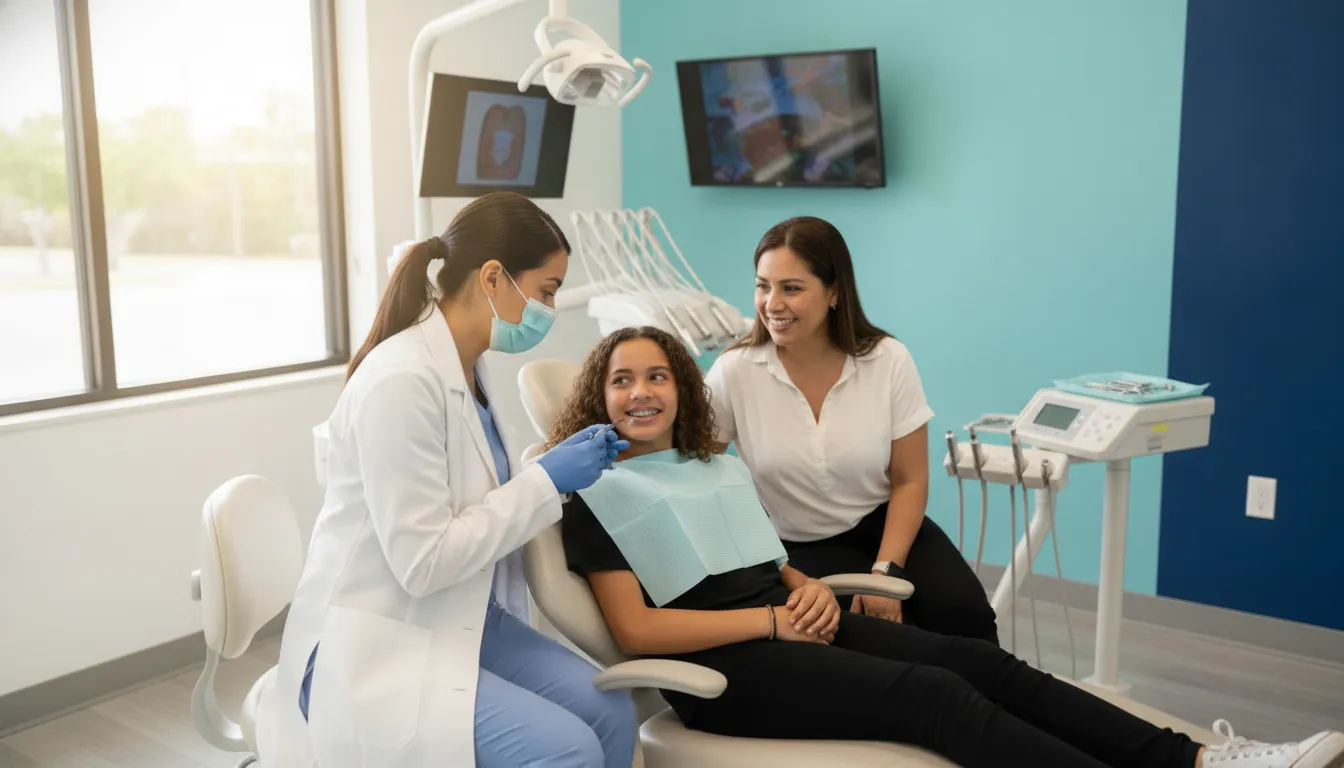
Ask about traditional metal braces or call 561-328-1555 to schedule a free consultation.
What side effects of braces are normal?
Most people notice the same small set of changes in the first days. The teeth feel tender when you bite, and the cheek or lip feels the new hardware. Speech can sound slightly different until the tongue adjusts. None of that means the braces were placed incorrectly, only that the mouth is getting used to something new.
The American Association of Orthodontists describes discomfort after braces are placed, or just after an adjustment, as temporary. Once patients get used to the braces, many stop thinking about them during an ordinary day. That is the pattern families should expect. Families can expect a short adjustment window, then ordinary days with extra care around food and brushing.
Vista Orthodontics places traditional metal braces in one visit at its South Florida offices. The braces start working right away, and an orthodontist can explain which sensations fit that start. This article can describe the usual pattern, but it cannot judge your own sore spot, bite change, or headache.
It also helps to separate side effects from the reason someone starts treatment. Crowding, spacing, and bite concerns are reasons people ask about braces. They are not side effects of wearing them, so the fit question belongs at a consultation. It is not a list of things that happen after the brackets are on.
How long do soreness and irritation usually last?
Soreness is the effect people ask about first. Teeth can feel tender to biting pressure after the braces are placed and again after some adjustment visits. The feeling is often strongest when you chew, rather than when the mouth is resting. Lips, cheeks, and the tongue can also feel rubbed while they toughen up around the brackets.
The American Association of Orthodontists notes that braces do not hurt all the time. Some soreness is normal, and many patients find the first three to five days after placement need the most patience. A similar window can follow an adjustment, and comfort usually improves as the mouth adapts. A later visit can bring a shorter version of the same tenderness, because the wire is asking the teeth to move again.
Irritation is different from tooth soreness. A bracket edge or a wire end can rub one spot on the cheek until a small sore appears. Orthodontic wax can cover that spot, and a warm saltwater rinse is a common way to soothe it. Vista already explains wax, rinses, and soft foods on its page about managing discomfort during orthodontic treatment. This article will not repeat those steps.
Tenderness stops being the expected kind in a few clear situations. Call if pain is severe or still worsening after several days. Call if you cannot eat soft foods, or if a sore, swelling, or a poking wire is not improving. Do not stop elastics or bend a wire on your own, because that can slow treatment or create a new problem. For medicine, follow the label, and ask a physician or the orthodontic team if a health condition changes what you can take. This is not a dosing guide.
Which changes affect eating, speaking, and daily routine?
Eating changes are a side effect families feel at the dinner table. Teeth can be too tender for crusty bread, chips, or a whole apple in the first days. Sticky, hard, and very crunchy foods can also bend a wire or pop a bracket, so the limit is not only about comfort. The American Association of Orthodontists recommends softer foods that are easy to chew. It also recommends cutting apples, sandwiches, and pizza into bite-size pieces.
A practical first-week pattern looks like this:
- Choose soft foods while teeth are tender, such as pasta, eggs, yogurt, soup, and cut fruit.
- Cut anything you would normally bite into, including sandwiches, pizza, and apples.
- Skip caramels, taffy, popcorn, nuts, and hard pretzels while the braces are on.
- Drink water with meals. Sugary and acidic drinks raise the chance of enamel damage.
- Return to normal healthy meals as tenderness fades, and keep the food limits you were given.
Speech can sound a little different for a few days, especially with new brackets or elastics. Most people adapt without any special exercise, but a lisp that does not settle is worth a mention at the office. So is a wire that catches the tongue every time you talk.
School, work, and sports do not have to stop. If you play a contact sport, ask for a mouthguard made for braces. A generic guard may not sit clear of the brackets. Teens can read braces for teenagers for a closer look at daily life. Adults can start with braces for adults. Those pages cover who the treatment is for. They are not a substitute for this side-effect check.
For the longer eating and brushing routine, use Vista’s guide to life with braces. Expect a short stretch of softer meals and slightly different speech. After that, keep the food rules you were given for the rest of treatment.
How do braces change cleaning and enamel risk?
Braces do not usually damage enamel simply because they are attached, but plaque buildup around brackets can contribute to white spots and cavities. They give plaque more places to sit, and if acid stays there, minerals can leave the enamel. The change can show up as a chalky white spot, and it can go on to a cavity. The American Association of Orthodontists explains that white spots can appear before, during, or after treatment. Braces and aligners raise the risk mainly because plaque is easier to leave behind. Sugary and acidic drinks speed that mineral loss.
The side effect to watch is not damage from the brackets themselves. It is the extra cleaning time, and what happens when that cleaning is skipped. Brush for about two minutes after meals and before bed. Floss every day, and keep dental cleanings during treatment. If you cannot brush after a meal, rinse with plain water, unless your orthodontist gave you a different routine. Follow the routine you were given.
Swollen gums, bleeding when you brush, or new bad breath can mean plaque is sitting under the wire. Tighten the cleaning routine, and tell both your dentist and your orthodontist. Do not scrub harder with a hard brush, because a soft brush under the wire is the usual instruction. Mention white spots you can already see at the next visit. The team can look at hygiene and check whether a cavity is starting.
Parents often ask whether this risk means braces are a poor idea for a child. The practical answer is that this risk stays manageable when brushing, flossing, and dental visits stay on schedule. Vista’s page on whether braces are safe for kids speaks to that parent question. It does not replace a cleaning habit once the brackets are on.
When should you call instead of waiting?
Expected side effects fade. Problems that need a call usually do something else. They poke, break, swell, or hurt more as the days go on. You do not need the clinical name, but you do need a simple rule for who should hear about it.
| What you notice | What it often means | What to do |
|---|---|---|
| Tender teeth for a few days after placement or an adjustment. | A common, short-lived effect of tooth movement. | Use soft foods and the comfort steps you were given. Call if pain is worsening. |
| One small sore where a bracket rubs the cheek. | Tissue getting used to a new edge. | Cover it with wax. Call if the sore grows, bleeds, or stays raw. |
| A poking wire, or a bracket that has come off. | An appliance problem, not ordinary soreness. | Call and name the tooth. Do not trim the wire yourself. |
| Swelling, a sore that will not heal, fever, or severe pain. | Not a routine side effect. | Call the orthodontist the same day. For trouble breathing, spreading swelling, or bleeding that will not stop, seek emergency care. |
| New white spots, puffy gums, or bleeding when you brush. | Plaque left around the braces. | Brush after meals, floss daily, and tell your dentist and orthodontist. |
Loose brackets, poking wires, and a lost elastic are common calls. Most are not emergencies, but a sharp wire or a loose bracket should not wait for the next visit. Vista’s guide to an emergency orthodontist visit is the right next page when something has broken. Read that page for the broken-appliance steps. Do not try to copy a repair from a video.
Elastics, if they were prescribed, are part of the plan rather than an optional add-on. Soreness from new elastics can be normal, but leaving them out can delay planned progress. Do not change or stop elastics without guidance. If they are too painful or difficult to wear, contact the orthodontic team so the orthodontist can review the force and next step.
After the braces come off, the side-effect story changes. Teeth can feel oddly bare, and they can shift if the retainers are skipped. That is a different stage from the first weeks in brackets. When you are near that point, retainers after braces explains what comes next. It should not be mixed into today’s question about whether soreness is normal.
What should South Florida patients ask at a visit?
A free consultation is the right time to ask which side effects you, or your child, are likely to notice. Age, the bite, the type of braces, and whether elastics are part of the plan all change the answer. An article can list the common effects, but it cannot rank them for one person.
Useful questions are specific. How many days of softer foods should we plan after this visit? Which foods does this office want avoided the whole time? What should we do the same day if a wire pokes? Which soreness can wait until the next visit, and which one should be a same-day call? Parents can also ask how the office wants a school-day problem reported, so a teen is not left guessing.
Vista Orthodontics sees children, teens, and adults in West Palm Beach, Royal Palm Beach, Pompano Beach, Coconut Creek, Naples, Estero, and Cape Coral. The locations page lists the seven offices if you want the one closest to home or school. Financing questions, including whether a plan can start with no down payment, belong in that same visit. Those payment questions are separate from whether a side effect is expected. Do not treat a payment example as your own price.
If you already have braces and something today does not match the usual few-day fade, skip the general reading and call. Describe what you feel, which tooth or side, when it started, and whether it is getting better or worse. Those details are what the orthodontic team needs. Bring the same notes to a scheduled visit if the issue is mild but still on your mind.
Contact Vista Orthodontics or call 561-328-1555 to schedule a free consultation and ask which side effects fit your plan.
Frequently asked questions
Do braces hurt the whole time you wear them?
No. Soreness is common for a few days after the braces go on and after some adjustments. Many people then stop noticing the braces during a normal day. Pain that stays strong, gets worse, or stops you from eating soft foods should be reported rather than waited out.
Can braces chip or stain teeth?
The brackets do not scrape enamel by being there, but plaque left around them can cause cavities and white spots. Dark drinks can also discolor the tooth surface over time. Brushing after meals, daily flossing, water instead of soda, and regular dental cleanings are what keep that risk down. Mention white spots you can already see at your next visit.
Is a sore cheek a sign that something is wrong?
A small rub where a bracket meets the cheek is common at the start, and it often settles with wax. A wire that pokes, a bracket that has come off, or a sore that keeps growing is a reason to call. Do not cut a wire at home.
What if my child will not eat after getting braces?
A day or two of softer foods is expected while biting still feels tender. Offer foods that do not need a hard bite. Call if your child still cannot manage soft meals, is in severe pain, or has swelling. The office would rather hear about it early.
Should I stop elastics if they make my teeth sore?
New elastics can cause a short stretch of soreness, which can be a normal side effect. Stopping them on your own can stall the bite correction. If the soreness is severe or is not easing, call and ask before you change the plan.